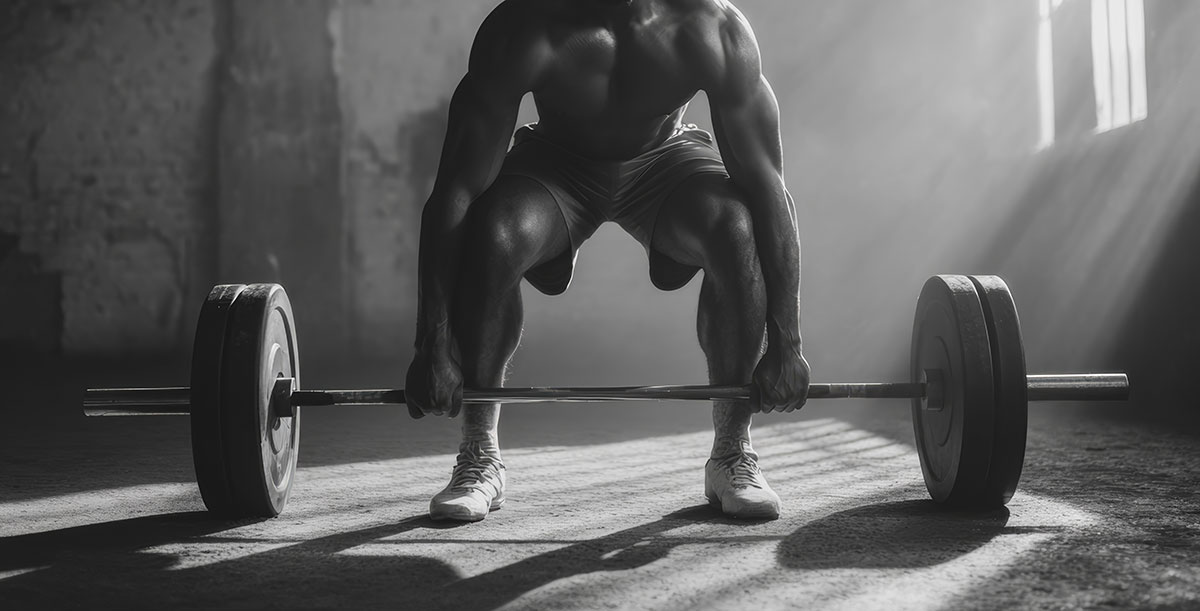
The Foundation of Discipline
Bodybuilding has always been more than a sport to me, it’s a lifestyle. When people see the end result—a lean, muscular physique—they often don’t see the years of discipline behind it. The early mornings, the meal prep, the hours in the gym when no one’s watching. That same discipline that drives me in bodybuilding has shaped every other part of my life, especially my career in law enforcement and leadership.
Discipline is about doing what needs to be done, even when you don’t feel like it. It’s showing up, no matter what kind of day you’re having. In the gym, that might mean pushing through fatigue to hit your last set. In leadership, it might mean facing tough decisions head-on, even when they’re uncomfortable. Over time, that consistency builds strength—both physical and mental.
I’ve learned that you can’t fake discipline. It’s developed one decision at a time, in the quiet moments when no one else is there to hold you accountable.
The Power of Focus
Focus is what keeps everything aligned. In bodybuilding, focus determines your results. You have to be dialed in—not just during your workouts but throughout your entire day. Every meal, every hour of rest, every rep has a purpose. Distractions can set you back, and the same is true in leadership.
When I transitioned into leadership roles within the Austin Police Department, I noticed how much focus mattered. There are countless things competing for your attention: calls, reports, meetings, community concerns, and the personal lives of your officers. Without focus, it’s easy to get pulled in a dozen directions and lose sight of what truly matters—your mission and your people.
In bodybuilding, you learn how to set a goal and block out the noise. You measure your progress, make adjustments, and keep your eyes on the outcome. That mindset applies directly to leadership. Whether it’s leading a department initiative or mentoring a young officer, success depends on your ability to stay focused on the goal, even when distractions and challenges arise.
Grit: The Bridge Between Goals and Achievement
Discipline and focus are essential, but grit is what carries you through the hardest days. Grit is the ability to keep moving forward when progress feels slow or setbacks happen. It’s what separates those who start from those who finish.
Bodybuilding teaches you grit in the most humbling way possible. You spend months preparing for a competition—training hard, following a strict diet, and sacrificing comfort. The results don’t come overnight. You learn patience and persistence. You learn how to push through soreness, fatigue, and doubt.
In leadership, grit looks different but feels the same. It’s the determination to stay steady during tough seasons—when morale dips, when criticism comes, or when progress feels out of reach. True grit is built through adversity. And the more challenges you face, the stronger and more resilient you become.
Lessons from the Stage
Competing as a natural bodybuilder taught me lessons that extend far beyond the gym. One of the biggest is that preparation builds confidence. When you’ve put in the work—countless hours training, eating clean, and refining every detail—you walk on stage knowing you belong there. That same sense of earned confidence applies to leadership.
Before making important decisions, I do my homework. I prepare by gathering information, listening to others, and thinking through possible outcomes. Preparation doesn’t eliminate uncertainty, but it gives you the confidence to handle it.
Bodybuilding also taught me humility. No matter how hard you train, there’s always someone bigger, stronger, or more conditioned. That realization keeps you grounded and hungry to improve. In leadership, humility allows you to keep learning, to listen to feedback, and to surround yourself with people who challenge you to be better.
The Importance of Routine
Both bodybuilding and leadership rely heavily on routine. Your daily habits determine your results. The way you start your morning, the food you eat, the time you dedicate to personal growth—it all adds up.
In my own life, I’ve seen how a consistent routine helps maintain balance and control. When I start my day with a structured workout, it sets the tone for everything else. It’s a reminder that no matter what chaos the day brings, I’ve already conquered something difficult.
For leaders, developing a strong routine helps you stay grounded and organized. It prevents burnout and ensures that you’re at your best for the people who depend on you. Whether it’s carving out time to exercise, reflect, or plan, routine provides the foundation for sustained success.
Leading by Example
One of the most valuable lessons bodybuilding taught me is that people are always watching your effort, not just your results. In the gym, younger athletes often look to see how seasoned lifters carry themselves—how they train, how they handle setbacks, how they treat others. The same holds true in leadership.
As a commander, I learned that the way you show up each day sets the tone for your team. If you’re consistent, focused, and humble, your people will reflect that. If you cut corners or lose your temper, they’ll notice that too. Leading by example isn’t about being perfect—it’s about being authentic and disciplined enough to live out the values you expect from others.
Mind Over Matter
At its core, bodybuilding is a mental game. The body follows the mind. When your mind is disciplined, your actions align. The same mental toughness that helps you push through a grueling workout helps you navigate life’s challenges.
Leadership requires that same resilience. There will always be obstacles—setbacks, criticism, or moments of self-doubt. But just like in training, progress comes from showing up, giving your best, and refusing to quit. Over time, that mindset builds strength, confidence, and respect.
Final Thoughts
Natural bodybuilding has been one of the greatest teachers in my life. It taught me how to build not just muscle, but character. It showed me the power of self-discipline, the necessity of focus, and the value of grit. Those lessons shaped the way I lead, how I mentor others, and how I approach challenges both in and out of uniform.
In life and leadership, there are no shortcuts—only steady progress through hard work, consistency, and integrity. The weights don’t lie. They reflect exactly what you’ve put in. The same is true for leadership: the results you see are a mirror of your effort, patience, and heart.
Discipline builds habits. Focus builds purpose. Grit builds legacy. And when all three come together, they create not just strong leaders but strong people.